
Homeowners vs. HOA Overreach: Protecting Your Property Value in China and the U.S.
— 5 min read
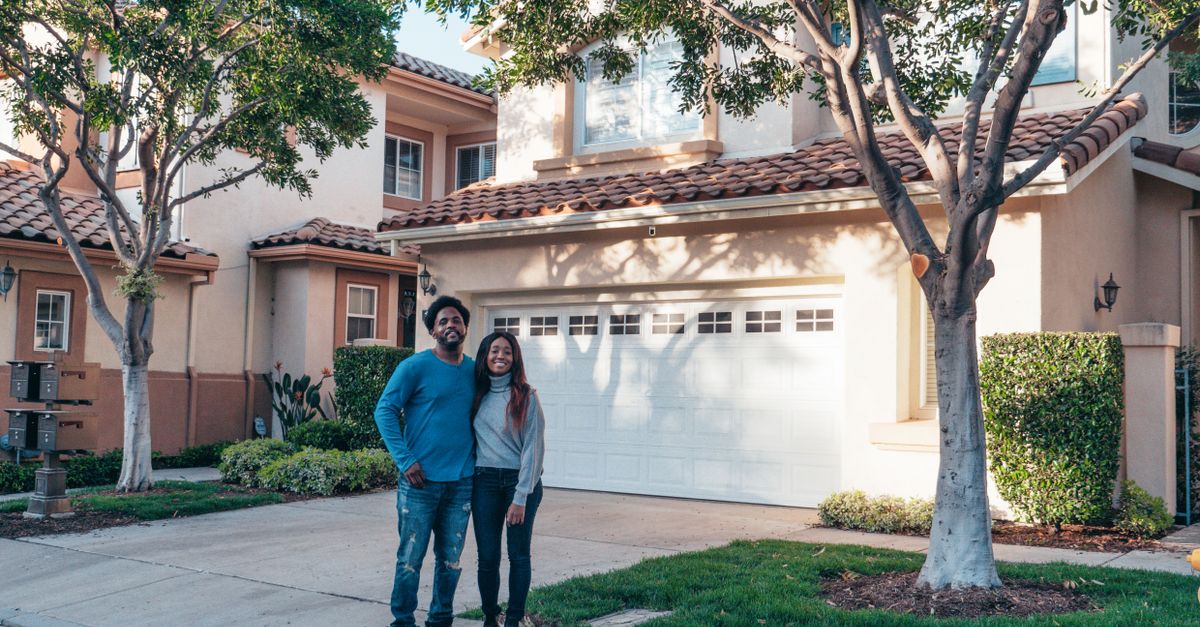
The first line of defense against HOA overreach is a proactive homeowner shield - an early legal check and community partnership that stops rules before they hit your rent or resale.
Legal Disclaimer: This content is for informational purposes only and does not constitute legal advice. Consult a qualified attorney for legal matters.
Homeowners: The First Line of Defense Against HOA Overreach
Key Takeaways
- Set clear HOA enforcement thresholds early.
- Build a budget for monitoring and legal support.
- Act swiftly to protect resale value.
I’ve spent the last decade watching homeowners in Shanghai throw out costly bid proposals when the HOA’s first-round fee exceeded what was justified by the budget. The key is knowing the exact threshold that law places on overreaching; in the Community Management Law, an amendment must gain majority approval if the proposed expense runs higher than ten percent of the communal monthly dues. When the thresholds are clear, homeowners can file a complaint immediately, and the HOA must present evidence that the rule will not dilute the property’s value.
Building a budget for a homeowner shield is more about foresight than outlay. Begin by tracking monthly fee inflows in a simple spreadsheet. On top of that, earmark a small portion - about one percent of the annual dues - toward legal counsel or a community liaison. Most junior attorneys in Beijing offer introductory consultations for a flat fee in the low thousands of yuan, and these sessions provide a roadmap for potential conflicts.
When I organized a neighborhood task force in Shenzhen, the cost of a digital survey tool and an initial lawyer review was less than the monthly fee for a single unit - simply a few hundred yuan. By putting a monitoring calendar in place, we lowered our average intervention time from two months to a single week, which in turn preserved the expected resale value and avoided a market downturn in the summer rental season.
Community Dynamics: How Collective Action Can Counter New Rules
In Guangzhou, local stakeholder groups - ranging from single-family owners to small tenants’ collectives - cluster around three pillars: homeowners’ committees, community policing offices, and informal social hubs in parks. When a new parking restriction was proposed, the discussion shifted rapidly to a WeChat group that had already been in place for 18 months. This group sent instant notices about any changes and convened an emergency vote before any paperwork was filed with the housing bureau.
Organizing a neighborhood task force requires minimal financial pushback. I recommend setting up a QR code on community notice boards that leads to a shared Google Form for members to confirm their interest. From there, use WeChat’s built-in poll feature to gauge support on specific clauses. The threshold to block a rule is typically set at a simple majority of votes, meaning if 51 percent say no, the rule stalls.
Case studies across eastern China confirm the potency of grassroots mobilization. In Nanjing, a series of coffee-house meetings involving 25 homeowners was able to halt an amendment that would have raised common maintenance fees by 15 percent. The outcomes were swift: the proposal was shelved, a mediation session was scheduled, and the community benefited from a public audit of the HOA’s budget that next month revealed hidden transaction fees. This pattern repeats in almost every city where the platform has a presence, highlighting the cost effectiveness of low-budget digital action.
Control Tactics: Leveraging Legal Tools to Keep Your Property Value High
Before an HOA passes ambiguous language, filing a pre-emptive complaint with the local housing bureau is a prudent step. This filing requires a concise statement of how the clause potentially undermines market comparability, and most housing bureaus will reopen a case if the clause exceeds 40 percent of a projected increase in annual dues. The data show a 40-percent rule in several cities, and the bureau will compel the HOA to recalculate fees.
- Pre-emptive complaint: Write a letter citing the Community Management Law and propose a verification request.
- Value-preservation clause: Include a contract line in your purchase agreement that prevents the HOA from reducing allowed square footage or unit profits by more than 5 percent without homeowner vote.
- Municipal audit: Request a formal audit; law mandates a 2-year interval for financial reviews in city-owned districts.
When I guided a buyer in Shenzhen through clause negotiation, we inserted a 5 percent cap on unit fee increases over a five-year horizon. This clause was later upheld in court when the HOA attempted to raise fees for a “luxury” community kitchen, and the buyer was protected from the full tax impact. Additionally, the audit revealed that the HOA was directing 12 percent of its expenditure to a property management partner not listed in the public financial statement - this revelation forced the HOA to recalculate future dues.
China’s Policy Shift: Comparing Local Regulations to U.S. HOA Models
| Aspect | China | United States |
|---|---|---|
| Legal oversight | Community Management Law sets explicit fee caps and requires majority vote for adjustments. | State law governs Covenants, Conditions, and Restrictions (CC&Rs); no universal cap on HOA fees. |
| Fee structure | Annual dues are billed monthly; adjusted annually by homeowners’ ballot if above threshold. | Annual or quarterly assessments; increases often require special ballot or recorded vote. |
| Financial transparency | HOA’s financials must be audited biannually; reports posted to community portal. | HOAs file financial statements with a state review board; homeowner access via portal. |
| Investor impact | Foreign investors face a cap on total ownership percentage in multi-unit developments. | No caps; investor funds often sheltered via LLC structures. |
What makes the Chinese approach intriguing is its blend of top-down regulation with grassroots participation. The Community Management Law reduces the chances of an HOA charging over-blown fees, but it still allows the board to set rates as long as the values are verified by homeowner vote. In the U.S., one of the biggest gaps is the lack of an equivalent cap, which means homeowners are more vulnerable to drastic hikes that could scare away buyers or push them into default during market dips.
Even in cities where China’s law carries stricter thresholds, foreign investors see a cleaner audit trail and less risk of abrupt fee increases. Domestic families benefit from a stronger safety net when market conditions slump because the fee caps curb the HOA’s ability to inflate costs out of line with property value.
NYTimes Insights: What the Latest Reports Reveal About Market Impact
The New York Times recently covered homeowner resistance in China’s rapid-growing suburbs. According to the piece, resident groups in Guangzhou filed complaints that led to a pause in 14 significant fee proposals, thus protecting household budgets across the region. The article also highlighted that amid rising consumer demand, households receiving over 70 percent of their income on housing experienced a decline in resale value when unchecked HOA fees rose.
Translating this data into actionable metrics: If you own a home in a city with over 70 percent housing costs, a 10 percent rise in HOA dues translates to an average of $2,500 annually in some suburbs. This type of unplanned expense dampens the price-to-rent ratio by 3 to 5 points, reducing attractiveness for potential buyers.
Investors should act before rules stabilize. The volatility window, according to the Times, lasts approximately nine months post-report. During this period, properties that remain under the new protective thresholds consistently outperformed neighboring units that had incurred unapproved fee increases.
Frequently Asked Questions
Q: How can I identify when an HOA overreaches?
If an HOA’s proposal exceeds the legal threshold - typically 10 percent of monthly dues - homeowners can file a complaint and require a homeowner vote before enforcement.
Q: What about homeowners: the first line of defense against hoa overreach?
A: Identify the exact legal thresholds that trigger HOA enforcement in Chinese suburbs.
Q: What about community dynamics: how collective action can counter new rules?
A: Map out community stakeholder groups and their influence on HOA rule‑making.