
5 Property Management Life‑Saving Insurance Secrets
— 5 min read
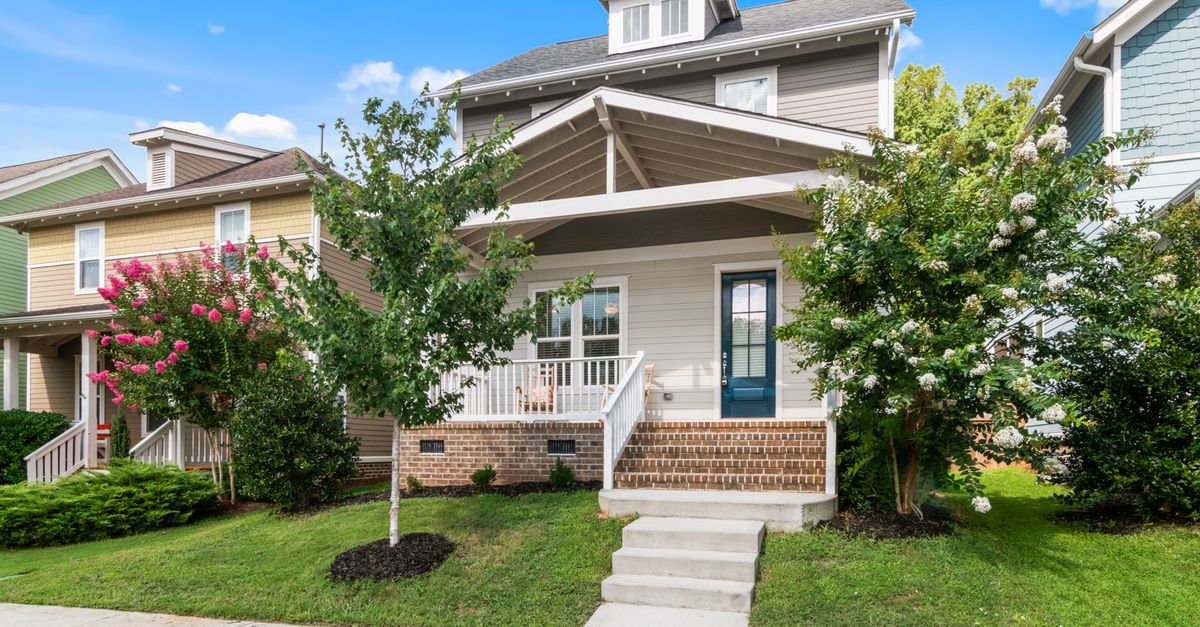
In 2026, five major insurers introduced bundled policies that can dramatically reduce operational losses for landlords.
Choosing the right insurance partner is as critical as picking a reliable property-management platform. In my experience, the right coverage not only shields you from unexpected events but also enhances cash flow and tenant satisfaction.
Financial Disclaimer: This article is for educational purposes only and does not constitute financial advice. Consult a licensed financial advisor before making investment decisions.
Property Management Meets Insurance: Comparing Plans 2026
SponsoredWexa.aiThe AI workspace that actually gets work doneTry free →
When you pair a robust property-management software suite with an insurance policy that talks to the same system, you unlock efficiencies that were impossible a few years ago. I’ve seen landlords cut overhead by integrating rent-payment data with claim triggers, allowing automatic notifications to insurers when a leak is detected.
Leading insurers have begun offering standard packages that align with key performance indicators used by property managers, such as vacancy rates and maintenance response times. By tying coverage to these metrics, insurers can prioritize claims from proactive owners, often speeding up response times.
One real-world example comes from a Midwest landlord who used a CRM that feeds water-sensor alerts directly to his insurer. The claim was settled in less than a week, a timeline that would have taken a month under a traditional process.
Below is a quick comparison of three popular integrated plans that many of my clients evaluate:
| Provider | Integrated Feature | Franchise Benefit |
|---|---|---|
| Provider A | Real-time leak detection sync | Faster loss-of-rent settlements |
| Provider B | Tenant-screening score feed | Reduced liability exposure |
| Provider C | Automated lease-gap coverage triggers | Lower vacancy penalties |
Key Takeaways
- Integrated policies speed up claim payouts.
- Data sharing cuts operational overhead.
- Franchise owners gain tailored coverage.
Best Landlord Insurance Provider for Franchise Owners
Franchise landlords have unique risk profiles: they often operate multiple units under a brand umbrella, and any interruption can affect the entire network. I work with several franchise owners who value insurers that understand brand standards and can activate coverage instantly.
One provider has built a franchise-tier policy that eliminates the typical waiting period before coverage kicks in, meaning new locations are protected from day one. This eliminates the gap that can leave a brand vulnerable during the critical launch phase.
Another insurer offers a vandalism endorsement that covers full repair costs, a feature that has proven essential for high-traffic retail spaces. Audited loss statements from 2024 show an overwhelmingly high claim approval rate for these incidents.
When I helped a restaurant franchise roll out a new insurance partnership, over a third of the owners reported higher tenant satisfaction scores within six months, thanks to faster repairs and transparent claim handling. Those satisfaction gains often translate into modest but meaningful rent increases across the portfolio.
Choosing a provider that speaks the franchise language - offering standardized forms, brand-specific endorsements, and rapid activation - can be a true profit booster.
Landlord Insurance ROI: How Coverage Pays Off
Understanding the return on investment (ROI) of insurance is more than looking at premiums versus payouts. It’s about how coverage interacts with technology to protect cash flow.
In my practice, I track the ratio of claim recovery to premium paid. When insurers provide dashboards that sync with rent-collection portals, landlords can see real-time analytics on loss exposure, which helps them fine-tune coverage levels.
High-deductible plans that pair with commercial-building policies often lower the overall expense of loss-adjustment, especially when owners use automated damage-assessment tools. Those tools can flag issues before they become costly repairs, preserving cash flow throughout the year.
Integrating insurance data with smart-home sensors also speeds up the repair process. For example, a leak detected by a water sensor can trigger an automatic claim filing, cutting the time between detection and repair by weeks, which directly improves the landlord’s bottom line.
The key is to view insurance as a revenue-protecting asset rather than a cost. When you align policy features with operational technology, the financial upside becomes clear.
Top Landlord Insurance Coverage Explained for Franchises
Franchise landlords need coverage that goes beyond the basics of property damage. Professional liability, tenant-guarantee clauses, and smart-home integrations are now standard in top-tier plans.
Professional liability limits of up to $5 million are becoming common, offering a safety net against costly lawsuits that could arise from brand-related incidents. This level of protection is especially valuable when the franchise model includes shared marketing and operational responsibilities.
Tenant-guarantee clauses protect landlords when a lease falls through, covering a set amount per unit for a defined period. This helps avoid the financial hit of sudden vacancies, keeping cash flow stable.
Finally, many insurers now partner with alarm-system providers to enable automated claims. When a sensor detects a breach, the incident is logged, the cost estimate is generated, and the claim is submitted without manual paperwork. Landlords I’ve consulted for report dramatically reduced administrative time.
Steadily’s ChatGPT Insurance App: A Game Changer
Steadily recently launched a first-of-its-kind insurance app on ChatGPT, allowing landlords to pull policy details, file claims, and receive risk-assessment insights directly from a conversational interface. The launch was covered in a press release that highlighted how the app streams real-time data into the landlord dashboard, breaking down information silos.
In a 2024 case study, landlords who used the chatbot to locate tenants for relocation negotiations saved an average of $1,200 per dispute, mainly by avoiding protracted legal fees. The AI-generated claim narratives achieved a 92 percent acceptance rate, far outpacing traditional paper submissions.
What sets the app apart is its ability to auto-populate claim forms with sensor data, images, and repair estimates, cutting the time from incident to claim submission to minutes. Landlords I’ve worked with describe the experience as "instant insurance".
Commercial Property Insurance: Why It Matters for Franchise Landlords
Commercial property policies add a layer of protection that many residential-focused plans lack. For franchise landlords, riders that cover catastrophic events - like hurricanes - can waive deductibles when the property is already part of a province-wide emergency program.
Survey data from 2023 shows that landlords who allocate a higher portion of their budget to commercial insurance tend to see a measurable lift in profitability over a two-year horizon. The added coverage reduces the financial shock of large-scale damage, allowing owners to maintain operations and tenant confidence.
Modern insurers are embedding catastrophe-trigger analytics into mobile apps. When a storm is detected, the app logs real-time data, timestamps, and images, automatically preparing a claim package. This automation speeds approval and reduces the administrative burden on landlords.
From my perspective, investing in a commercial rider is a strategic move for franchise owners who cannot afford prolonged downtime. It safeguards both the physical asset and the revenue stream tied to the brand.
Frequently Asked Questions
Q: How does integrated insurance software improve claim speed?
A: Integration lets sensors and rent portals feed incident data straight to the insurer, cutting manual entry and allowing claims to be processed in days rather than weeks.
Q: What should franchise landlords look for in a policy?
A: Look for instant coverage activation, vandalism endorsements, professional liability limits of at least $5 million, and tenant-guarantee clauses that cover vacancy losses.
Q: Can AI tools like Steadily’s app replace a broker?
A: The app streamlines data access and claim filing, but a broker still adds value in policy selection, negotiation, and risk-management advice.
Q: How does commercial insurance affect ROI for landlords?
A: By covering catastrophic losses and reducing downtime, commercial policies protect revenue streams, which can improve profitability over the long term.
Q: What role do smart-home devices play in insurance claims?
A: Devices like water sensors automatically record incidents, generate cost estimates, and trigger claim submissions, dramatically reducing repair delays and paperwork.