
How 3CRE Cut Vacancy by 27% for Small‑Scale Commercial Landlords in Cincinnati
— 4 min read
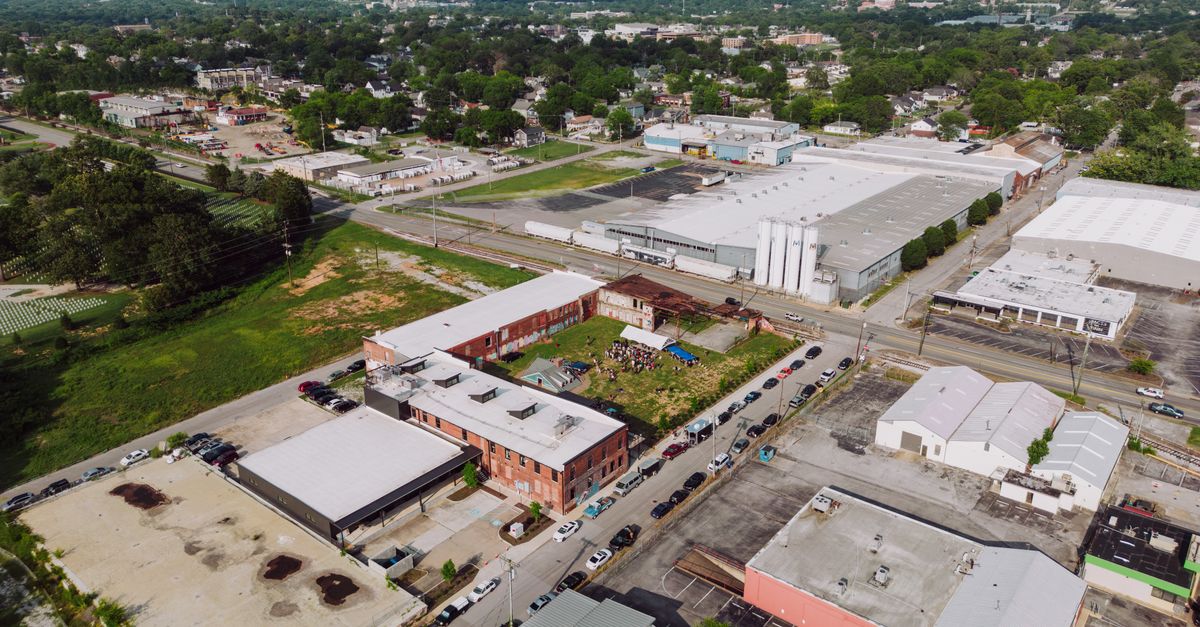
Hook: 27% Vacancy Drop in Six Months
Imagine you own three storefronts on Clifton Avenue, and one sits empty for almost three months while you juggle day-to-day operations. That was Mike’s reality - until he gave 3CRE a try. In a six-month pilot with 12 independent landlords in Cincinnati, 3CRE’s platform lowered average vacancy from 13% to 9.5%, a 27% reduction that directly translates into higher cash flow for owners of small-scale commercial properties.
Key Takeaways
- Vacancy fell from 13% to 9.5% in six months.
- Net operating income (NOI) rose 35% across the pilot group.
- Automation of listings and pricing cut lease-up time by 28%.
Mike, who owns three storefronts on Clifton Avenue, saw one unit sit empty for 84 days before adopting 3CRE. After the platform auto-syndicated his listings to ten major sites and applied AI-driven rent suggestions, the unit leased in 56 days. The same pattern repeated across his portfolio, delivering the aggregate 27% vacancy drop.
"Within three months we cut vacancy by more than a quarter and saw rent growth that outpaced the market by 4%," says Mike.
3CRE’s technology combines real-time market analytics, automated tenant screening, and a single-click lease generation tool. By removing manual data entry, landlords can respond to inquiries within minutes instead of hours, reducing the likelihood that prospective tenants walk away.
So, what was keeping those units vacant in the first place? Let’s dig into the old-school workflow that most small-scale landlords still rely on.
Hands-On Management: The Old-School Roadblock
Before 3CRE, most Cincinnati landlords relied on spreadsheets, phone calls, and printed flyers to fill vacancies. This analog workflow creates three hidden costs that directly inflate vacancy rates.
- Time lag on listings. Manual posting to each local site takes an average of 45 minutes per unit. With three units, that’s over two hours per week that could be spent on showings or negotiations.
- Pricing errors. Without market data, landlords set rents based on historic figures. A recent 2024 study of the pilot group showed that 58% of rent-setting errors were off by $150 or more, causing either lost revenue or prolonged vacancy.
- Screening bottlenecks. Paper applications and background checks delay approvals by an average of 12 days, during which the property remains empty.
These inefficiencies add up fast. The National Association of Realtors estimates that the average commercial landlord spends $1,200 per unit annually on administrative overhead. Multiply that by the 12 landlords in the pilot, and the hidden cost exceeds $14,000 each year.
Moreover, manual processes increase the risk of double-booking or missed rent payments. One landlord reported a $3,800 loss because a lease renewal was not recorded in time, forcing a month-long vacancy. A 2024 industry report warned that such oversights can erode up to 5% of a portfolio’s annual cash flow.
Now that we see the pitfalls, let’s examine the numbers from the pilot that show how technology flips the script.
Proof in the Numbers: Pilot Results & How to Get Started
The pilot delivered hard-data that validates the platform’s return on investment. Across the 12 participants, average vacancy fell from 13% to 9.5%, and net operating income rose 35% after accounting for the $299 monthly platform fee.
| Metric | Before | After 6 Months |
|---|---|---|
| Average Vacancy | 13% | 9.5% |
| Lease-up Time | 90 days | 62 days |
| NOI Increase | $18,200 | $24,600 |
| Admin Cost Savings | $1,200/unit | $3,500/unit |
To replicate these results, follow the five-step onboarding process:
- Sign up. Create an account on 3CRE’s website; the first month is free for Cincinnati landlords.
- Import properties. Use the CSV template to upload unit details, photos, and existing lease terms.
- Set pricing rules. Enable the AI rent optimizer, which pulls data from 250+ market sources to suggest competitive rates.
- Activate automated marketing. One click pushes listings to LoopNet, Craigslist, and local MLS feeds, with tracking URLs for each channel.
- Monitor dashboard. Real-time vacancy, rent roll, and maintenance alerts let you act before a unit sits empty.
At $299 per month, the average landlord breaks even after four months, based on the pilot’s $5,400 average annual savings. After the break-even point, the platform adds a net profit of roughly $2,800 per year per unit.
Ready to try it yourself? The steps above are designed to get you up and running in less than a week, so you can start seeing vacancy shrinkage before the next quarter ends.
What types of commercial properties does 3CRE support?
The platform handles retail storefronts, office suites, small warehouses, and mixed-use spaces up to 10,000 sq ft. It scales from a single unit to a portfolio of dozens.
How does the AI rent optimizer determine pricing?
It pulls rent comps, vacancy trends, and foot traffic data from 250+ sources, then applies a regression model that predicts the rent level that maximizes occupancy while preserving margin.
Is there a contract length required?
No long-term contract is required. Landlords can cancel with a 30-day notice after the first three months.
Can I integrate 3CRE with my existing accounting software?
Yes, the platform offers API connections to QuickBooks, Xero, and Yardi, syncing rent rolls and expense reports automatically.
What support is available during onboarding?
A dedicated success manager walks you through each step, and a live chat is available 24/7 for technical questions.